What is the most effective treatment for psoriasis?
The most effective treatment for psoriasis depends on its severity and type. Mild cases often improve with medicated creams and moisturizers, while moderate to severe psoriasis may require phototherapy or prescription medications, including biologic therapies. A dermatologist can recommend a personalized treatment plan based on your symptoms, overall health, and treatment goals.
Here are concise bullet points for “What is the most effective treatment for psoriasis?”
- Use medicated creams and ointments for mild psoriasis.
- Keep the skin moisturized to reduce dryness and itching.
- Try phototherapy (light therapy) for moderate cases.
- Take prescription oral medications if recommended by a doctor.
- Consider biologic therapies for severe or treatment-resistant psoriasis.
- Avoid common triggers such as stress, smoking, and excessive alcohol.
- Follow a healthy lifestyle with a balanced diet and regular exercise.
- Consult a dermatologist for a personalized treatment plan and ongoing care.
| Treatment Option | How It Helps |
|---|---|
| Medicated Creams & Ointments | Reduce inflammation, itching, and scaling in mild psoriasis. |
| Moisturizers | Keep the skin hydrated and help prevent dryness and cracking. |
| Phototherapy (Light Therapy) | Slows excessive skin cell growth using controlled UV light exposure. |
| Oral Medications | Help manage moderate to severe psoriasis by reducing inflammation. |
| Biologic Therapies | Target the immune system to treat severe or treatment-resistant psoriasis. |
| Lifestyle Changes | Managing stress, eating a balanced diet, and avoiding smoking or excessive alcohol can reduce flare-ups. |
| Regular Skin Care | Gentle cleansing and daily moisturizing help protect the skin barrier. |
| Dermatologist Consultation | Ensures a personalized treatment plan based on the type and severity of psoriasis. |
What is the best treatment for psoriasis?
The best treatment depends on the type and severity of psoriasis. Options include topical medications, phototherapy, oral medicines, and biologic therapies prescribed by a dermatologist.
Can psoriasis be cured permanently?
No, psoriasis cannot currently be cured permanently. However, proper treatment and lifestyle changes can help control symptoms and reduce flare-ups.
Which cream is most effective for psoriasis?
Doctors often prescribe corticosteroid creams, vitamin D analogues, or other medicated ointments depending on the severity and location of psoriasis.
Is phototherapy effective for psoriasis?
Yes. Phototherapy uses controlled ultraviolet (UV) light to slow skin cell growth and is commonly recommended for moderate to severe psoriasis.
Are biologic medications safe for psoriasis?
Biologics are effective for many people with moderate to severe psoriasis but should only be used under a doctor’s supervision due to potential side effects.
Can diet help improve psoriasis symptoms?
A healthy diet may help reduce inflammation and support overall skin health, although it does not replace medical treatment.
What triggers psoriasis flare-ups?
Common triggers include stress, skin injuries, infections, certain medications, smoking, excessive alcohol consumption, and cold weather.
When should I see a dermatologist for psoriasis?
You should consult a dermatologist if your symptoms worsen, cover a large area, interfere with daily life, or do not improve with over-the-counter treatments.
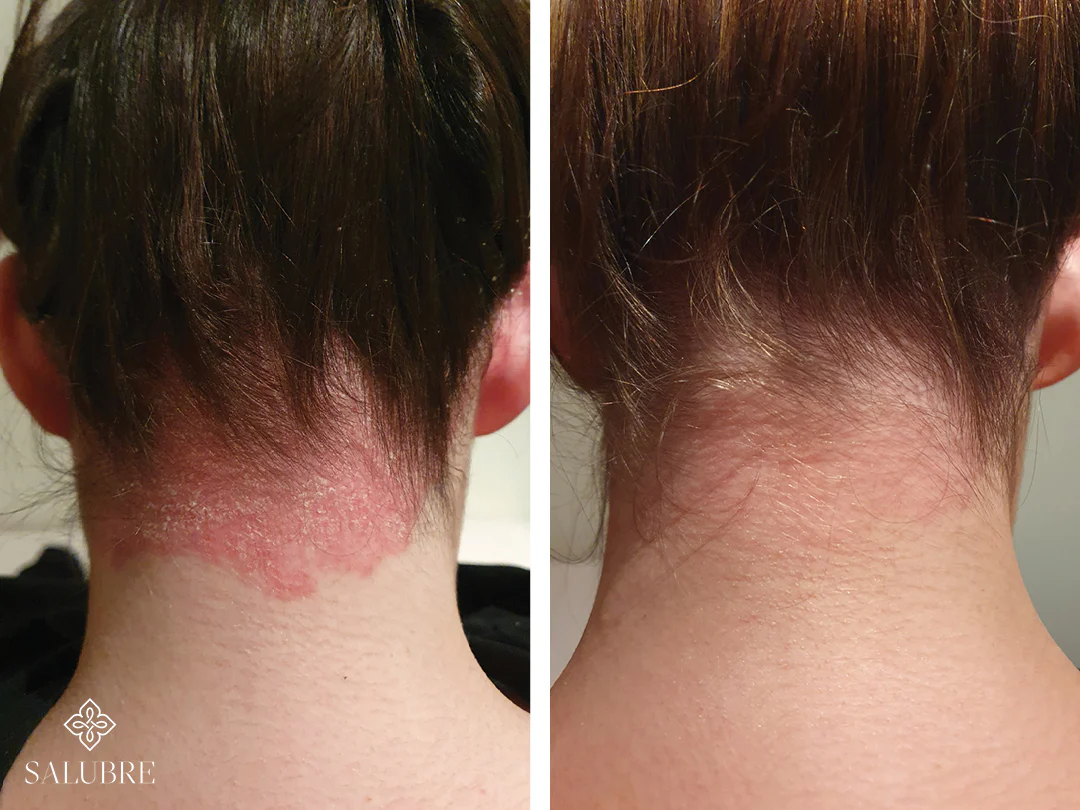
What is the most effective treatment for psoriasis?
Step 1: Get a Professional Diagnosis
Visit a dermatologist to determine the type and severity of your psoriasis and receive an accurate diagnosis.
Step 2: Start Topical Treatment
Use prescribed creams, ointments, or moisturizers to reduce inflammation, itching, and scaling in mild cases.
Step 3: Consider Advanced Therapies
If symptoms are moderate to severe, your doctor may recommend phototherapy, oral medications, or biologic treatments.
Step 4: Make Healthy Lifestyle Changes
Manage stress, eat a balanced diet, avoid smoking and excessive alcohol, and keep your skin moisturized to reduce flare-ups.
Step 5: Follow Up Regularly
Attend regular check-ups with your dermatologist to monitor your progress and adjust your treatment plan if needed.